Plug-in solar in England, Scotland and Wales: the independent guide
Every hour, the sun sends Earth more energy than everyone on it uses in a year.
Since 27 August 2026 you can plug a compliant solar kit straight into a socket. See the compliant kits
93,000,000 miles from the sun to Earth.
Light takes 8 minutes 20 seconds to cross it and reach your roof.
No roof. No scaffolding. No quotes to chase.
Just a panel and a plug.
The law changed on 27 August 2026.
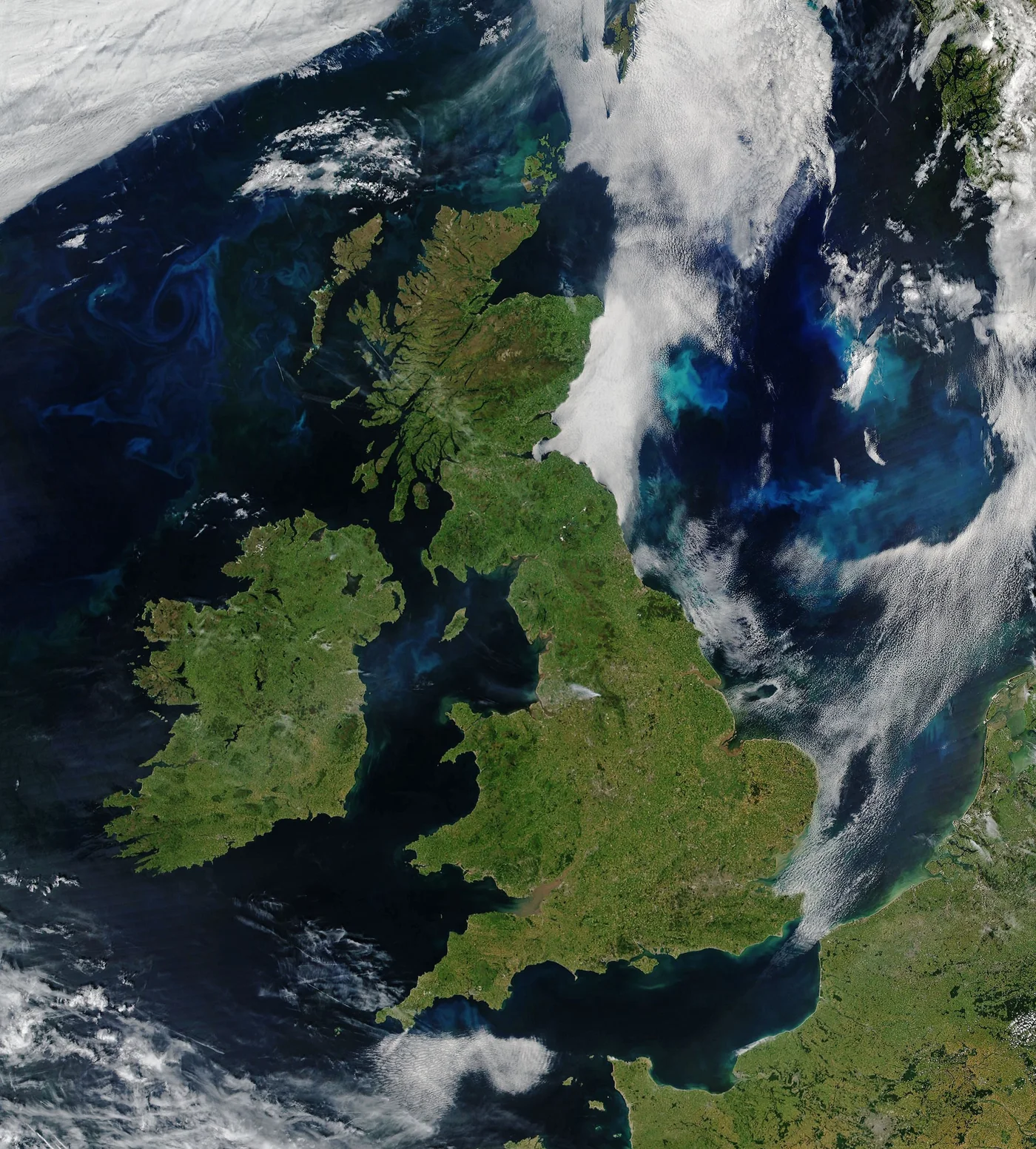
Below the clouds: England, Scotland and Wales.
England, Scotland and Wales
Every compliant kit, in one place.
Plug-in solar is legal here. We track every kit on the official register, what it costs and what it could save you.
What’s new in 2026
Six things that changed this year.
27 August 2026
Legal, at last
A change to the plug and socket safety rules lets a compliant kit of up to 800W plug straight into an ordinary socket in England, Scotland and Wales. No permission, no installer. Read the rules in plain English.
One duty
Tell your network operator
You must let the company that runs your local electricity network know, before or as you switch the kit on. It is free, it is not an application, and nobody can refuse you. Here is how to tell your network operator.
The register
Only listed kits count
A kit must be marked Compliant on the ENA Connect Direct register. On 7 November 2026 that was 130 kits from 29 makers, with 20 more listed as Non-compliant. See the compliant kits on sale, with prices.
The 800W limit
It is the inverter, not the panels
The cap is on what the inverter sends into your home. Panels can add up to 2,000W, so a kit can make the most of a dull British day. Find out what 800W will actually run.
Planning, England
Allowed without permission, mostly
A second change makes plug-in solar permitted development. Not on wooden walls, balconies, fences or timber cladding, and not on listed buildings. In a flat? Read the balcony and timber rules.
Batteries
Not yet
The rules cover kits without batteries only. No battery kit is on the register, and the government says it is still gathering evidence. More on where batteries stand.
Sources: SI 2026 No. 848 and SI 2026 No. 896; ESQCR regulation 22; the ENA Connect Direct register, read 26 September 2026; the UK Government plug-in solar response, July 2026. Northern Ireland is not covered by these rules.
How it works
How a plug-in kit actually works.
The panels catch daylight
One or two panels, on a balcony rail, a wall, a fence or a frame in the garden. They work on a grey day too, just less.
A small box makes it mains power
The microinverter turns what the panels make into ordinary mains electricity, and holds the output to 800W. It shuts off by itself if the power cuts out.
You plug it in
Into a normal wall socket, like a kettle. No extension lead, no adapter, no electrician needed, though it is worth asking one if your wiring is old. Before you plug in, check your socket.
Your house takes it first
The fridge, the router, the telly: whatever is switched on uses the solar power before it touches anything you pay for.
The rest goes to the street
What your house cannot use flows out to the grid, and you are not usually paid for it. So the trick is to use it while the sun is out. The complete guide to plug-in solar covers the rest.
What would it save you?
Real sunshine figures for your postcode, today’s price cap, and no pretending you get paid for what you export. Here is how we work out what a kit would save at your postcode.